

What is Functional Testing?
Most people think blood is the only way to assess health. But the body provides valuable information through different types of samples, and functional testing helps reveal patterns that may be contributing to how you feel.
Why Functional Testing Matters?
Conventional laboratory tests provide essential information and help identify or monitor medical conditions. But what happens when you are struggling with fatigue, digestive symptoms or hormonal concerns, yet your standard results do not explain how you feel?
This is where functional testing may offer additional insight. By examining a broader range of biological markers, it can help us explore patterns related to nutrition, digestion, metabolism and hormone function. The goal is to build a clearer picture and guide more informed nutrition and lifestyle recommendations.
It is an additional way of understanding your health and identifying areas that may benefit from further support.

Types of samples Used in Functional Testing
Each type of sample provides different information. When considered alongside your symptoms, health history and medical results, functional testing can help us explore the wider picture and make more informed decisions.

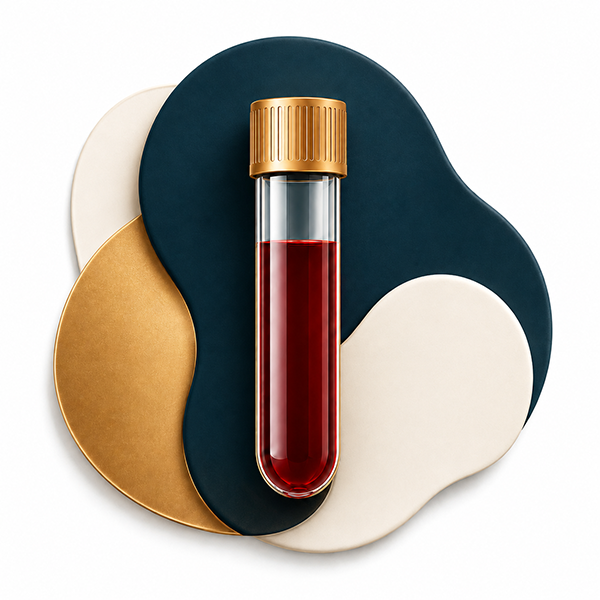
1. Blood
Provides information about nutrient levels, inflammatory markers, thyroid function, metabolic health and immune activity. More detailed blood panels may include markers not routinely assessed in standard testing.

2. Urine
Can provide insight into hormone metabolism, organic acids, nutrient markers and oxidative stress. Dried urine tests such as the DUTCH test offer a detailed view of hormone metabolites without multiple blood draws.

3. Stool
Offers information about the gut microbiome, digestive function and intestinal inflammation. Depending on the test, stool analysis may detect certain bacteria, parasites, yeasts and markers associated with digestive health.

4. Saliva
Can measure cortisol patterns across the day and provide information about the body’s stress response. Saliva testing may be helpful when exploring changes in energy, sleep and daily stress patterns.

5. Hair
Hair mineral analysis may provide information about mineral exposure over time. Results need careful interpretation and should be considered alongside other clinical information.

6. DNA
Provides information about genetic variations that may influence nutrient metabolism and other biological processes. DNA testing can help inform nutrition and lifestyle recommendations, but genes are only one part of the wider picture.

7. Breath
Used to investigate small intestinal bacterial overgrowth and certain forms of carbohydrate malabsorption. Breath testing is non-invasive, although results must be interpreted within the wider clinical context.
FREQUENTLY ASKED QUESTIONS
Still have doubts about functional testing? Here's what I'm asked most often.
Conventional tests are essential for diagnosing and monitoring medical conditions. Functional testing may examine additional markers or use different sample types to explore nutritional, digestive, metabolic and hormonal patterns that could be relevant to how you feel.
Functional tests can analyse blood, urine, stool, saliva, hair, DNA and breath. Examples include detailed blood panels, DUTCH hormone testing, stool analysis, organic acid tests and SIBO breath tests.
Not necessarily. Testing should only be considered when it is relevant to your symptoms, history and goals. In some cases, additional testing may offer useful information that was not included in routine blood work.
Many functional tests are not covered by the NHS or private insurance. Coverage varies, so it is worth checking with your provider before arranging a test.
Many tests use home collection kits with clear instructions, and samples are sent directly to the laboratory. Some tests may require a blood draw at a local clinic.
Results usually take two to four weeks, depending on the test and laboratory. Tests processed abroad may take slightly longer. Once the results are available, we will arrange a consultation to review them.
We will discuss what the findings may mean, how they relate to your symptoms and whether any areas need further investigation. I will then use the relevant information to guide your nutrition and lifestyle plan.
Book a free discovery call to discuss your symptoms and goals. We can then decide whether testing is appropriate and which options may be most relevant.


